Showing posts with label EEL program. Show all posts

Monday, September 13, 2010

Not so fast with the bulldozers on North Point of Virginia Key


The North Point of Virginia is not the despoiled wasteland a Sept. 12 Miami Herald story ("Bike Trail Project A lot Tougher Than Expected) would have you believe.

A biological evaluation of the area by Miami Dade County’s Environmental Endangered Lands division completed earlier this year indicates the area contains acres of mangroves, tropical hammock and dune communities, all essential wildlife habitat, replete with endangered species.

Perhaps we shouldn't be so fast with those trail-blazing bulldozers after all...or so cavalier about allowing more dredge material dumping on the island from future Port of Miami projects.


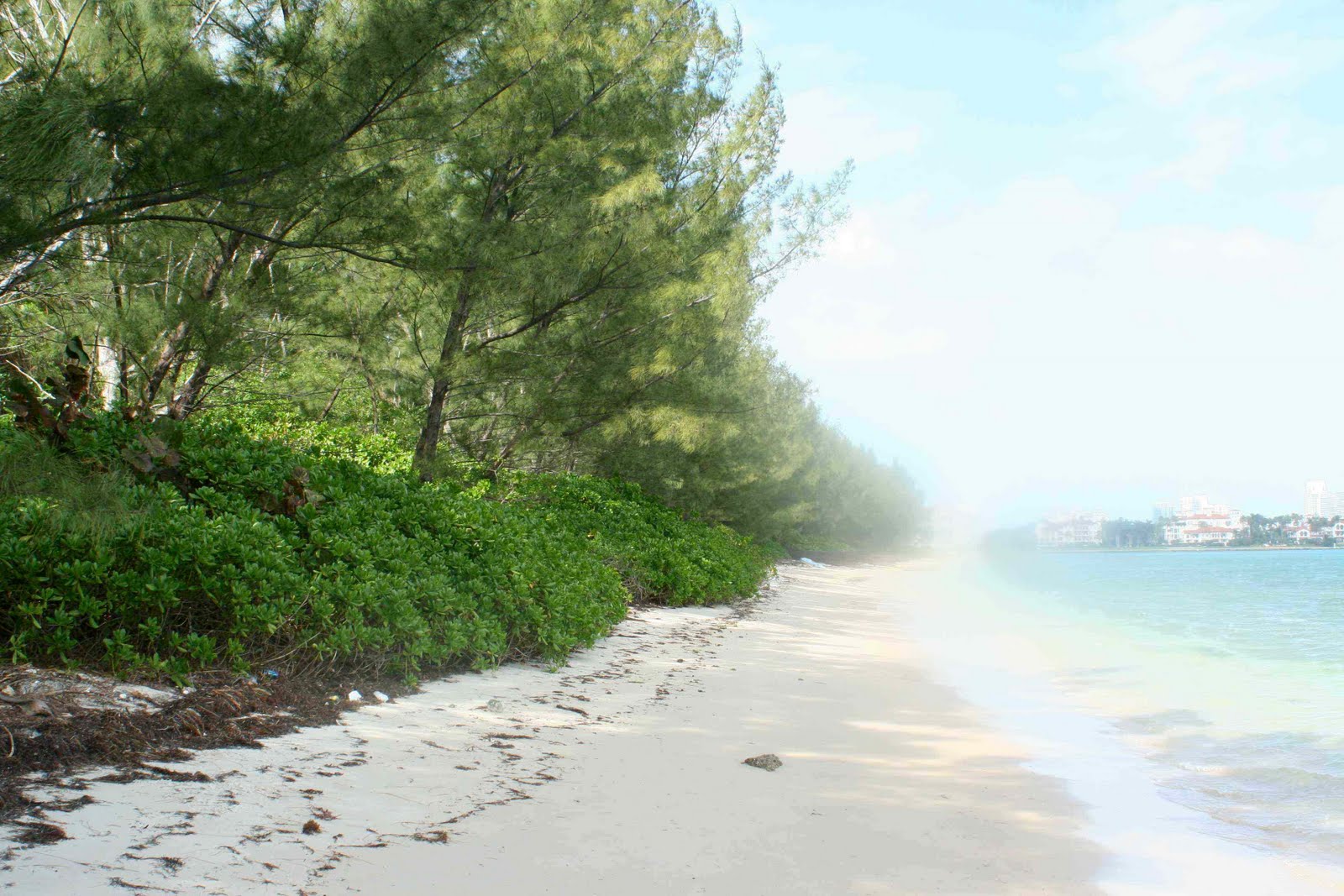
In the northern and eastern portion, beach dune communities include Sea Oats, inkberry, railroad vine and burrowing four o’ clock, the latter of which is a State endangered listed species. The beach areas are essential sea turtle nesting areas.

The surrounding shallow waters along the shoreline are densely lined with seagrass beds, including turtle grass, manatee grass and shoal grass. The healthy and diverse communities support various species of sponges, invertebrates, and algae.

A high quality coastal mangrove community thrives along the west portion of North Point and is part of the state-designated Bill Sadowski Critical Wildlife Area, a 700-acre wildlife preserve created to protect the extraordinary habitat values of the area.

At the northern end of North Point is a mangrove community of red, white, and black mangroves, and green buttonwood created under supervision of the Miami-Dade County Department of Environmental Resources Management as part of a mitigation project.

The EEL report states the restoration project was performed “to resolve a violation that occurred in 1992, when Port of Miami dredging contractors damaged seagrasses, beach dunes and mangrove wetlands without authorization while Government Cut was being deepened.”

The mitigation project created five acres of coastal hammock, four acres of dune, 12 acres of new mangrove forest and new tidal habitat through the creation of new channels that run from Norris Cut to the Bill Sadowski Critical Wildlife Area.


Resources: Miami Herald, "Bike Trail Project A Lot Tougher Than Expected," Sept. 12, 2010. http://www.miamiherald.com/2010/09/12/1820390/bike-trail-project-a-lot-tougher.html

Photo: North Point beach.

Saturday, May 15, 2010

Miami 21 "zoning" of Virginia Key allows urban uses


Miami 21 isn’t just about dictating development in the urban grid. Virginia Key, the urban island with the heart of a wilderness, has also been zoned.

Some areas are designated preservation zones (T-1), others have civic zone designations (CI) which may be developed with urban public uses or commercial uses, with urban infrastructure, including parking garages and roadways. Other areas are zoned "urban core," some of the highest urban center designations (T6-8).

A Miami Dade County planning report states that Virginia Key’s “valuable and protected” areas – mangroves, wetlands, dunes, and hammocks and cultural resources, including the historically-designated Miami Marine Stadium – could be threatened if future land uses permitted under Miami 21, the City of Miami’s new land use and zoning code that will take effect May 20, don’t take into account the long-term management requirements of these areas.


County planners analyzed Miami 21’s impact on Virginia Key as part of the biological evaluation prepared by the Dade Environmental Resources Management department for the purpose of identifying areas that could be acquired by the Environmentally Endangered Lands Program. The report stated:

Regardless of whether some Virginia Key properties are ultimately acquired by the EEL program, it is important that any future land uses on Virginia Key be carefully planned and permitted such that they do not impact the sensitive and valuable habitats there. The management of restored and protected land on Virginia Key should be not inhibited by adjacent future land uses. The historic places and structures on the key should be maintained and fully incorporated into all future land use plans.

.
Miami 21 took effect May 20, 2010 although City of Miami Mayor Tomas Regalado has called it a “work in progress” and will give residents, including Miami Neighborhoods United (MNU), commissioners and others, the opportunity to express concerns and possibly amend the code in the future. A special City Commission session on Miami 21 will be held at 9 a.m., Wednesday, June 2, 2010.

Resources: www.miami21.org