Showing posts with label Miami Herald. Show all posts

Monday, September 13, 2010

Not so fast with the bulldozers on North Point of Virginia Key


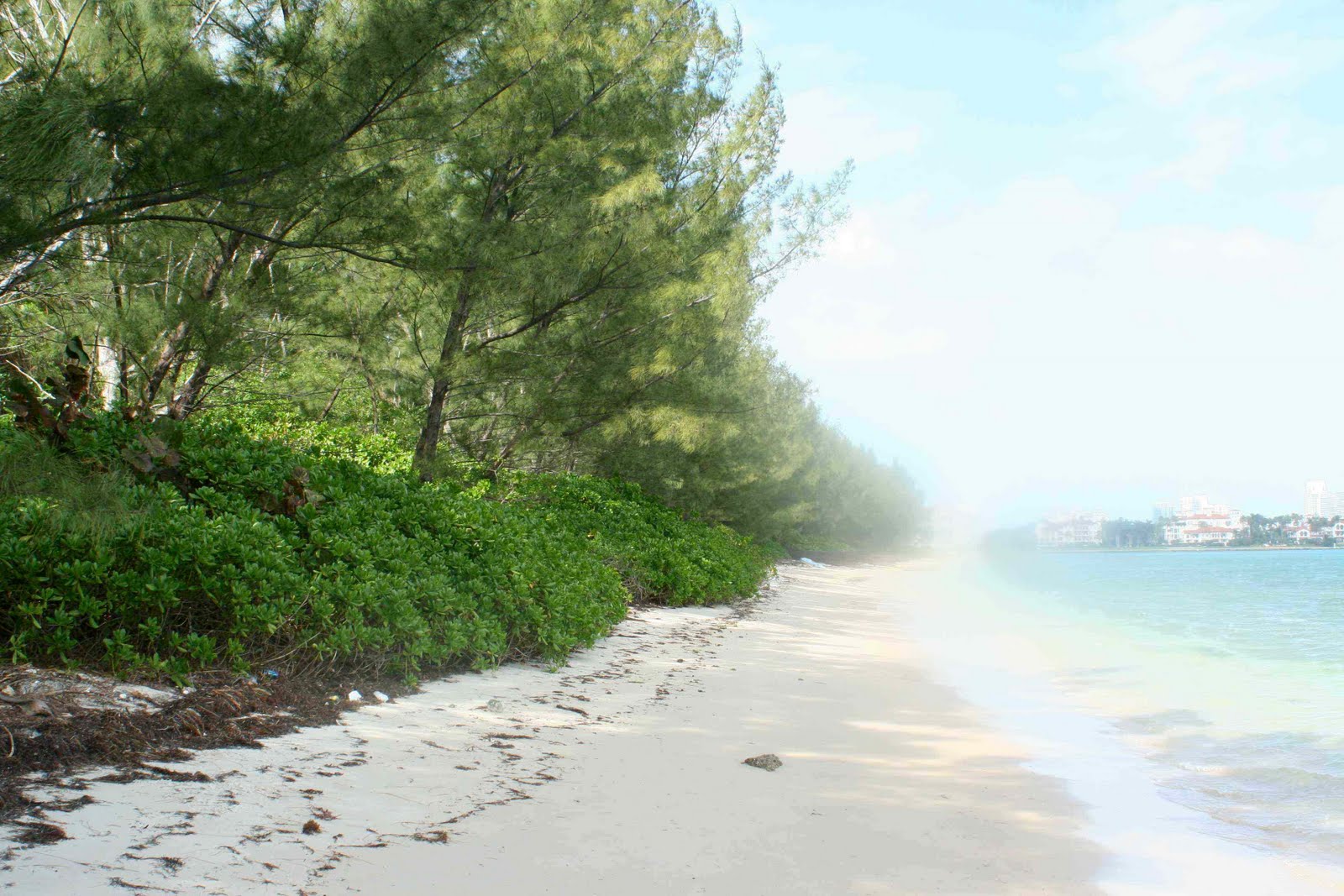
The North Point of Virginia is not the despoiled wasteland a Sept. 12 Miami Herald story ("Bike Trail Project A lot Tougher Than Expected) would have you believe.

A biological evaluation of the area by Miami Dade County’s Environmental Endangered Lands division completed earlier this year indicates the area contains acres of mangroves, tropical hammock and dune communities, all essential wildlife habitat, replete with endangered species.

Perhaps we shouldn't be so fast with those trail-blazing bulldozers after all...or so cavalier about allowing more dredge material dumping on the island from future Port of Miami projects.


In the northern and eastern portion, beach dune communities include Sea Oats, inkberry, railroad vine and burrowing four o’ clock, the latter of which is a State endangered listed species. The beach areas are essential sea turtle nesting areas.

The surrounding shallow waters along the shoreline are densely lined with seagrass beds, including turtle grass, manatee grass and shoal grass. The healthy and diverse communities support various species of sponges, invertebrates, and algae.

A high quality coastal mangrove community thrives along the west portion of North Point and is part of the state-designated Bill Sadowski Critical Wildlife Area, a 700-acre wildlife preserve created to protect the extraordinary habitat values of the area.

At the northern end of North Point is a mangrove community of red, white, and black mangroves, and green buttonwood created under supervision of the Miami-Dade County Department of Environmental Resources Management as part of a mitigation project.

The EEL report states the restoration project was performed “to resolve a violation that occurred in 1992, when Port of Miami dredging contractors damaged seagrasses, beach dunes and mangrove wetlands without authorization while Government Cut was being deepened.”

The mitigation project created five acres of coastal hammock, four acres of dune, 12 acres of new mangrove forest and new tidal habitat through the creation of new channels that run from Norris Cut to the Bill Sadowski Critical Wildlife Area.


Resources: Miami Herald, "Bike Trail Project A Lot Tougher Than Expected," Sept. 12, 2010. http://www.miamiherald.com/2010/09/12/1820390/bike-trail-project-a-lot-tougher.html

Photo: North Point beach.

Friday, April 2, 2010

Principles for a "New" Virginia Key Master Plan


When the City of Miami commission voted in October 2009 to defer approval of the proposed Virginia Key Master Plan to 2010, it gave community groups time to create alternatives.

There were lots of ideas aired during the on/off again public planning process, culled from various public meetings and design charrettes.“Less is more” become a refrain of citizens and various civic, enviornmental and preservation groups.

A early Miami Herald editorial chimed in:

“....A place to walk through nature preserves, hang out at the beach or take the family on a spin along a biking trail. .. These are what the master plan should emphasize.


In September, the City of Miami Waterfront Advisory Board set this criteria:
Construction of a Virginia Key “Welcome Center,” restoration of the marine stadium, no hotels, a comprehensive transportation plan, bike trails, public boat ramp, clean up contaminated landfill, increase native tree buffer areas around playing fields anc continue restoration of the Virginia Key Beach areas.


Now the Urban Environment League, working with a coalition of concerned citizens and community groups, has offered a series of “principles” to guide planning:
Free and clear public access to the beach and all public property
Public participation should be insured throughout the process
Public access should not be inhibited by parking restrictions or inadequate public transportation.
Restoration of the Marine Stadium, uninterrupted access to the basin waterfront, and non-structured parking accommodations.
(Northpoint) The area of Virginia Key north of the causeway should be largely treated as a natural area and not developed into the category of traditional parks found elsewhere in the city.
Development of a public recreation area in the middle of the landfill surrounded by restored native landscaped buffers. Not to exceed 20 acres or less than 20 percent of the available landfill area.
Public parkland should be used to enhance the appreciation of nature through walking trails, public campgrounds. There is a paramount value to keep all activity small scale.
Commercial eating facilities should minimal, and limited to small-scale operations.
Provide recreation within the most natural setting possible.
Tie in bike/hiking path masterplan for VK (including a main perimeter path around VK with connections throughout).
Provide for safe and expanded bicycle and pedestrian accommodations within the Rickenbacker Causeway, including expanded bike lanes, pedestrian friendly intersections, and traffic calming measures.


The goal, they say, is to build consensus for a new master plan - but a plan that is “sensitive to recreational needs, local history and the environment, within a context that preserves and enhances the natural world.”

What would you like to see or not see on Virginia Key?

The UEL is asking for public input. Comments can be sent to: uel@bellsouth.net or posted here to View from Virginia Key or the UEL blogspot, which also includes a survey, http://urbanenvironmentleague.blogspot.com/2010/03/virginia-key-planning-meeting-saturday.html.